

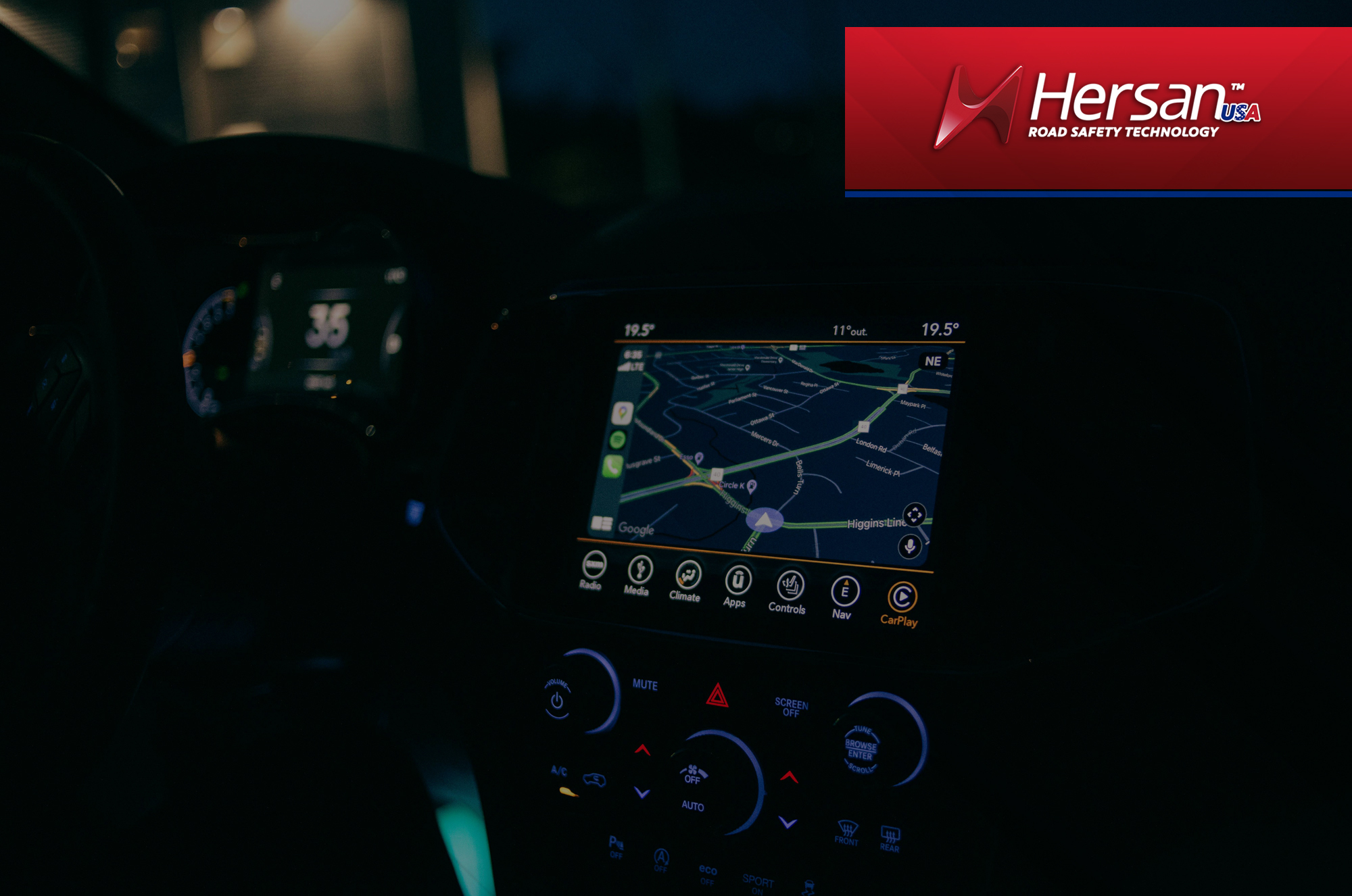
Autonomous vehicle technology is revolutionizing the concept of mobility, pushing governments and regulatory bodies to adapt and reformulate traffic laws. From improvements in road safety to greater efficiency in the use of highways, autonomous vehicles are creating new realities and challenges in the world of transportation. Below, we explore how this technology is transforming traffic regulations and the impact of these changes on society.
Redefining the Role of Drivers and Responsibilities
One of the most significant changes brought by autonomous vehicles is the redefinition of the driver’s role. In these vehicles, control no longer rests solely with a person but with an advanced artificial intelligence (AI) system. This raises questions such as: Who is responsible in the event of an accident—the person inside the vehicle, the manufacturer, or the software developer?
To address this, traffic regulations are beginning to include provisions that assign responsibility to both software developers and vehicle manufacturers. Countries like the United States and the United Kingdom are already working on laws that determine liability based on the vehicle’s level of autonomy and establish clear rules for both manufacturers and users.
Adapting Signage and Communication Systems
Autonomous vehicle technology relies heavily on constant communication with its surroundings to make precise and safe decisions. This means that traffic regulations must incorporate new signaling systems compatible with autonomous vehicles. For instance, traffic lights, speed limit signs, and other road signals could be equipped with communication technologies such as V2X (Vehicle-to-Everything), enabling direct interaction with these vehicles.
Additionally, road infrastructure must adapt to transmit real-time digital information about traffic conditions, road hazards, or even safety alerts. This integration of communication technologies is transforming signage regulations and compelling cities to modernize their infrastructure.
New Traffic Rules for Road Safety
Safety is a top priority in developing traffic regulations for autonomous vehicles. These vehicles are designed to minimize human error, which could lead to fewer accidents, but they must still follow clear rules to operate safely on public roads.
Some cities are already implementing special zones or specific speed limits for autonomous vehicles, designed to minimize accident risks. In certain countries, such as the United States, there are discussions about creating “autonomous lanes”, exclusive areas for these vehicles—similar to HOV (High-Occupancy Vehicle) lanes. The idea is that these dedicated lanes allow autonomous vehicles to operate under controlled conditions, reducing risks for both them and other drivers.
If you have any more questions or need further assistance, feel free to ask!
Visit "our page" for more information.
Follow us on social networks